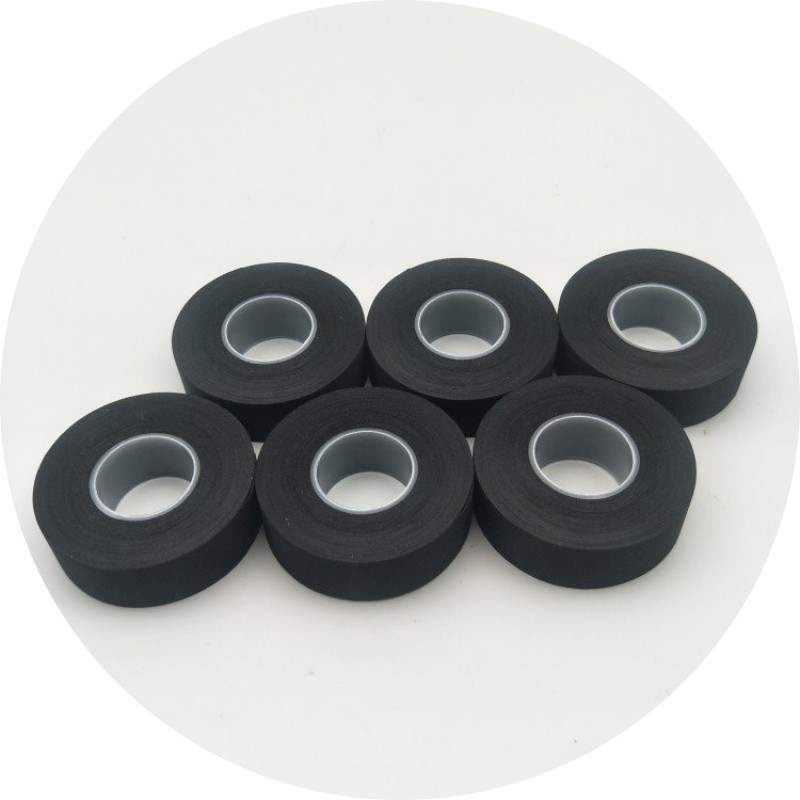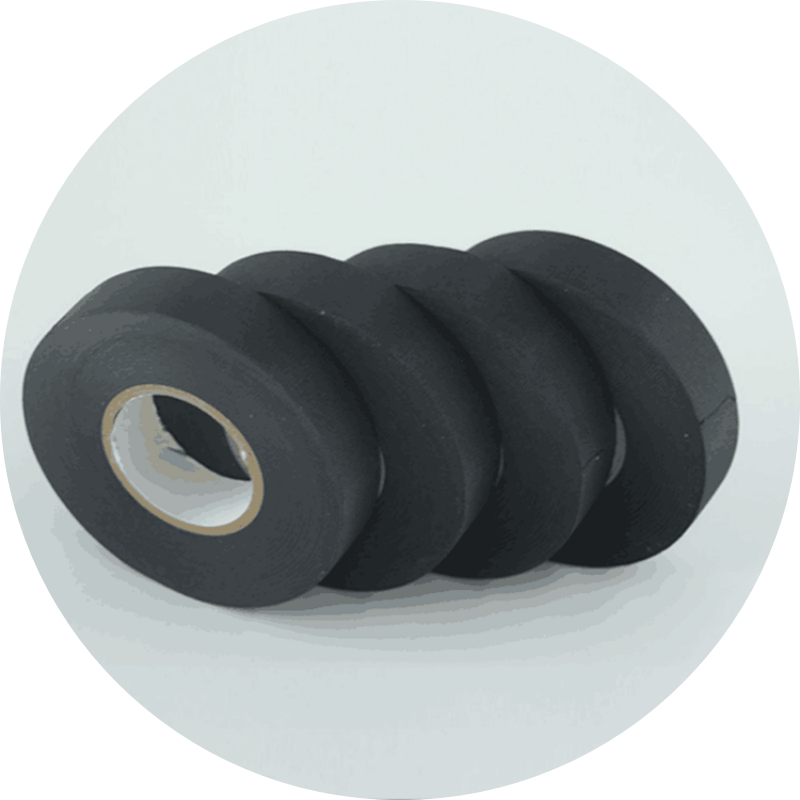
heat resistant tape for car engine

Heat-resistant tape is absolutely essential for the survival of components in a car’s engine bay.Since temperatures frequently exceed 100℃ (212°F) and can spike much higher near theexhaust or turbocharger, these tapes play critical roles in protection, insulation, and safety.
Tape Type Primary Purpose Material & Key Feature Typical Engine Bay Application
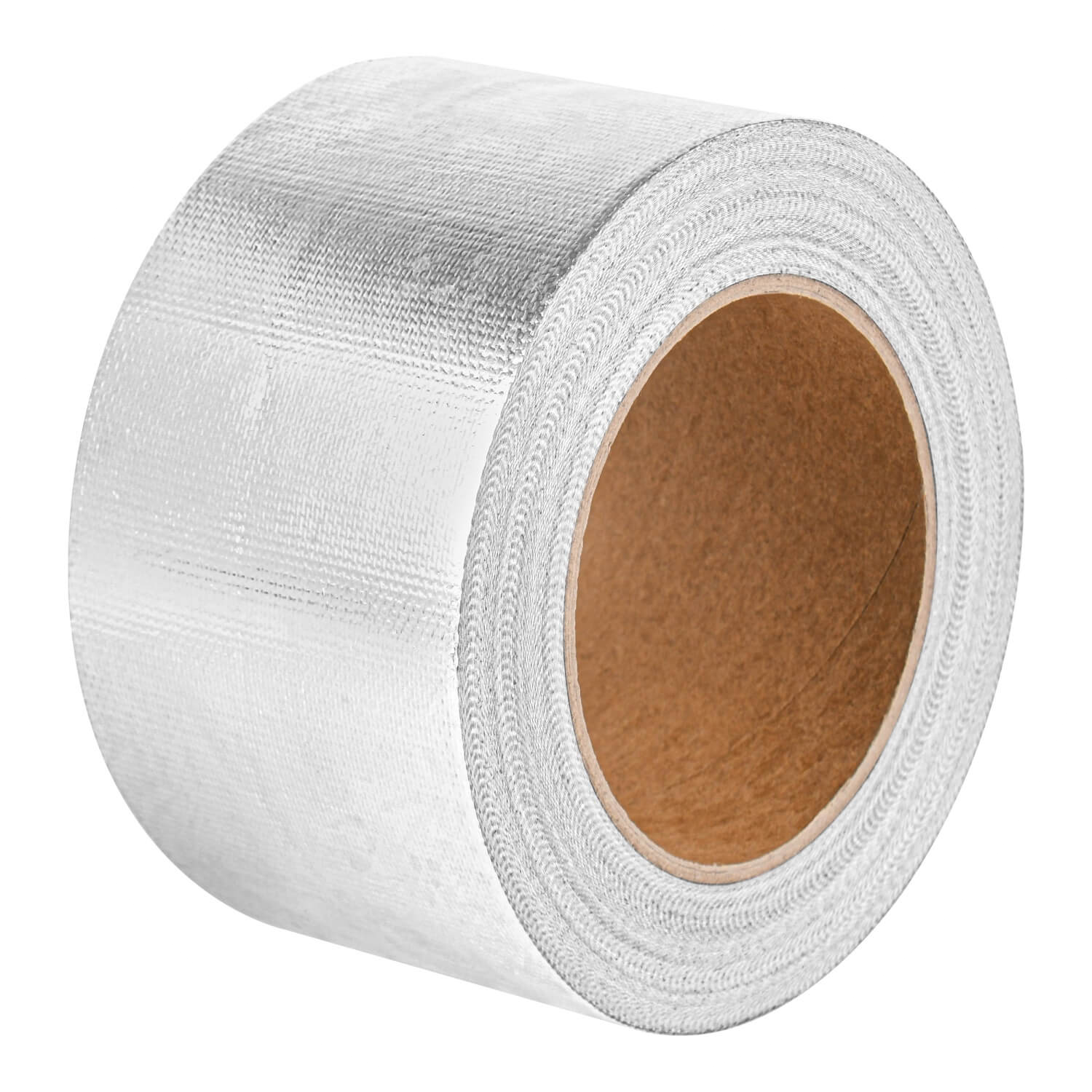
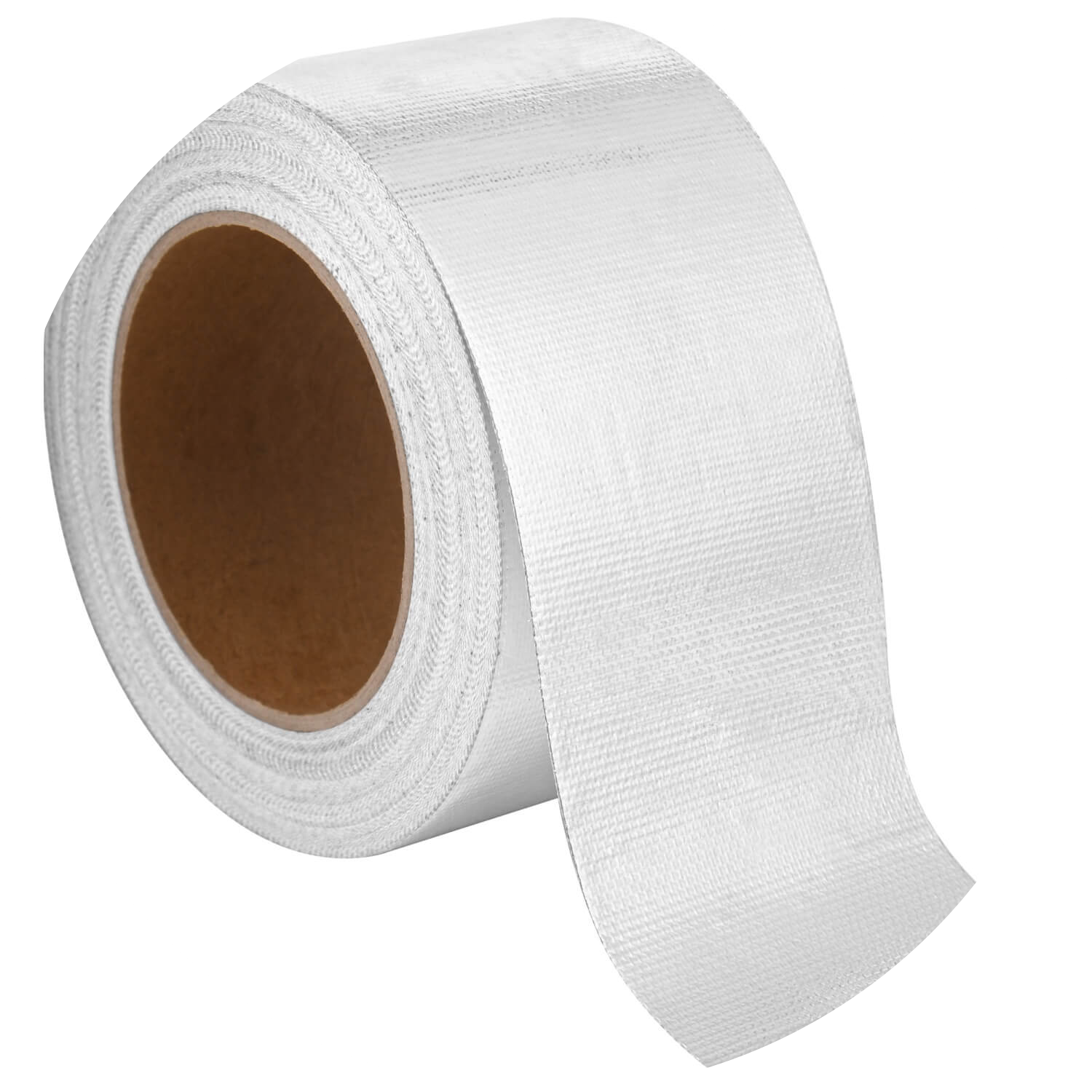
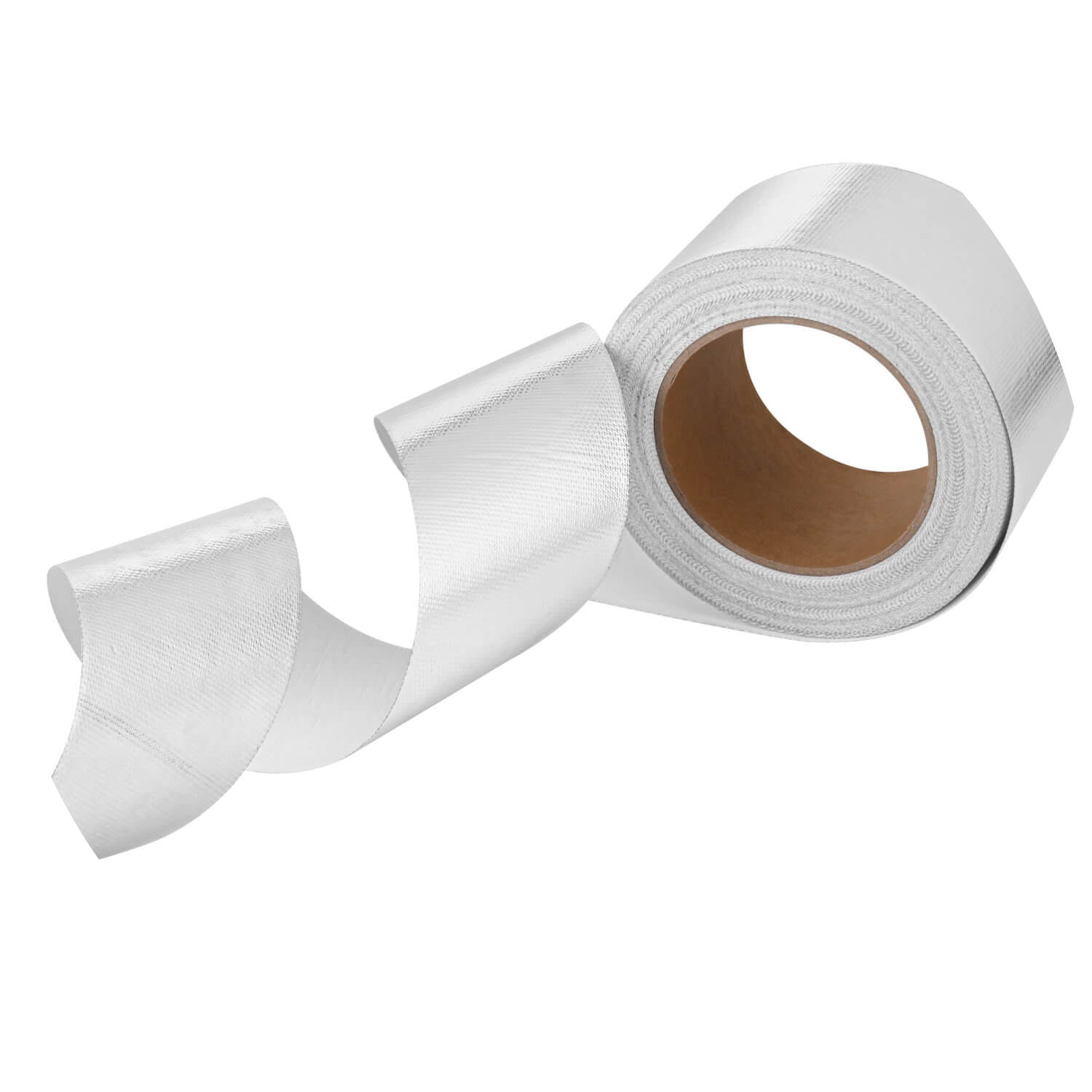
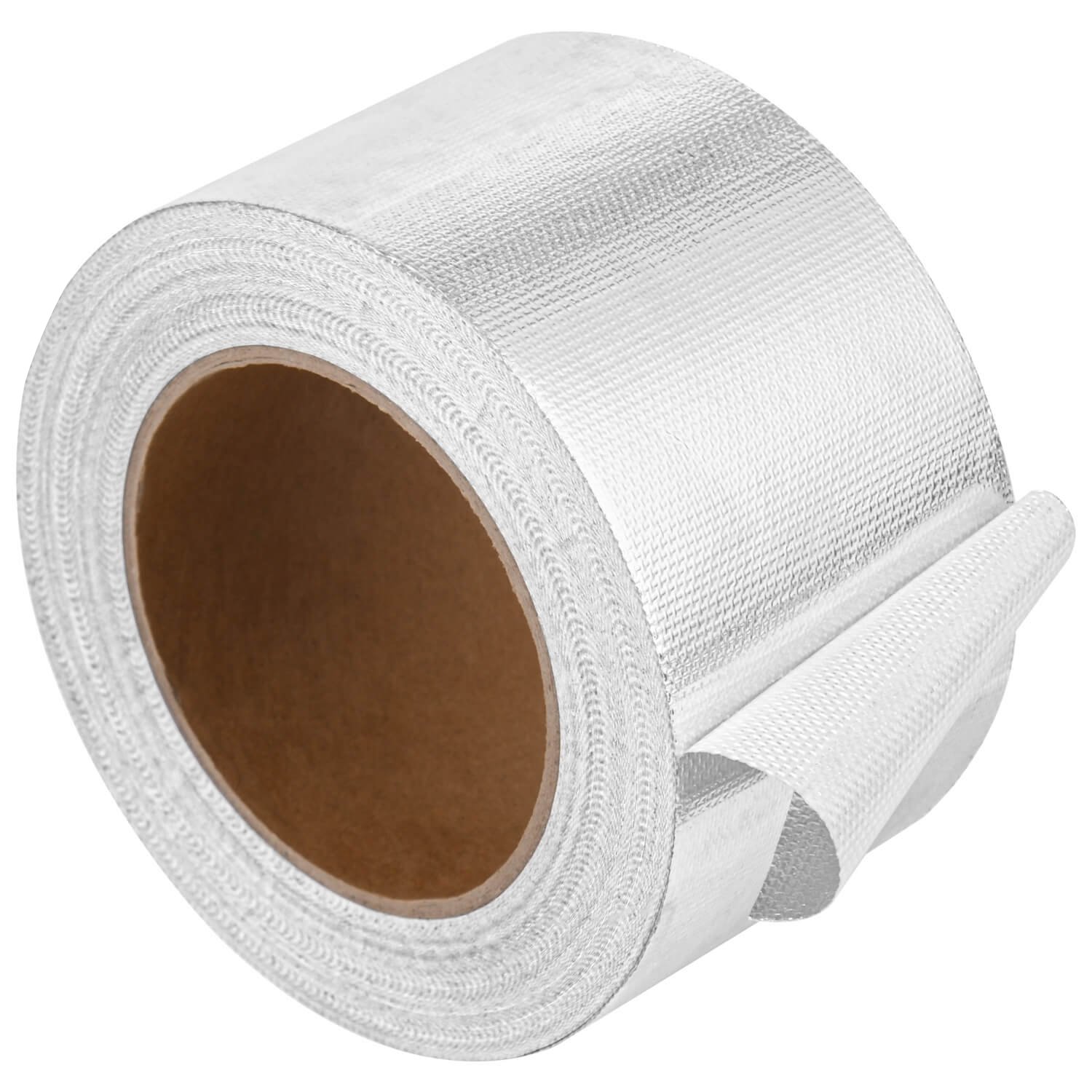
Aluminum Foil Tape Radiant Heat Shielding Thin aluminum or aluminized fabric backing. Reflects up to 95% of heat. Wrapping air intake tubes, fluid lines, and firewalls to keep adjacent areas cool.
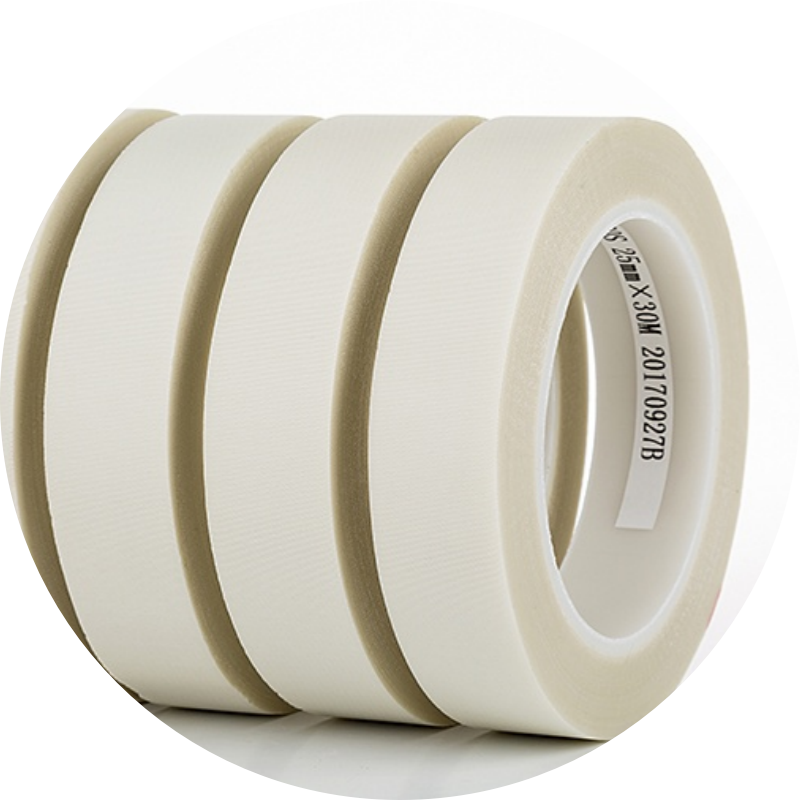
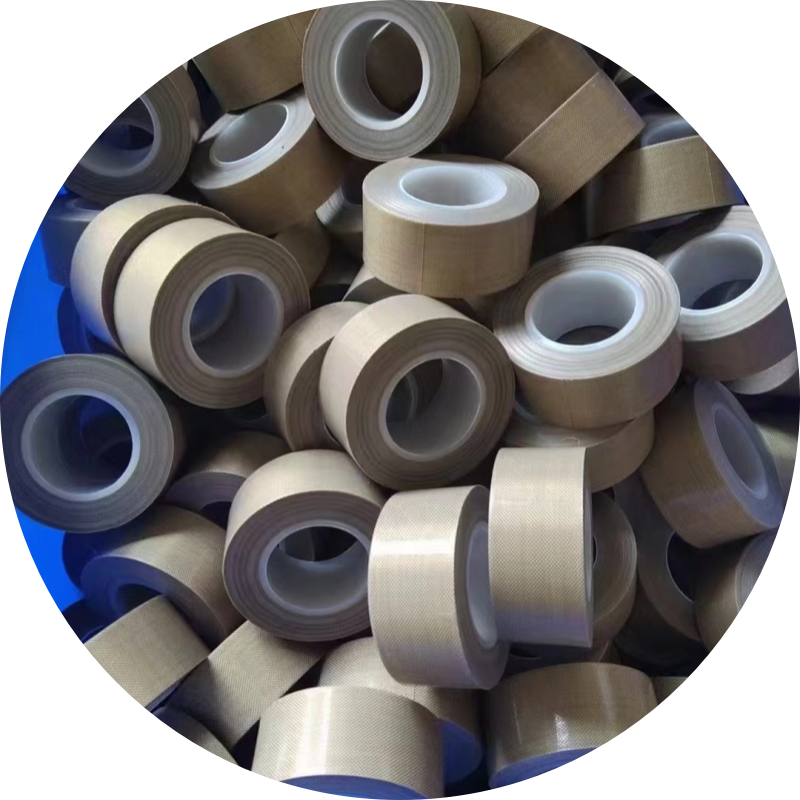
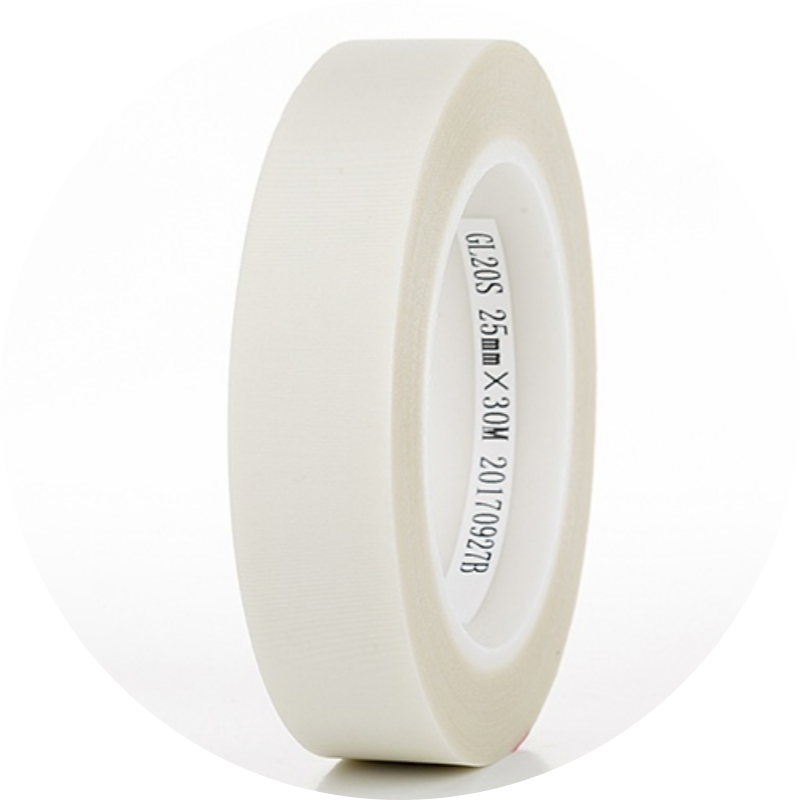
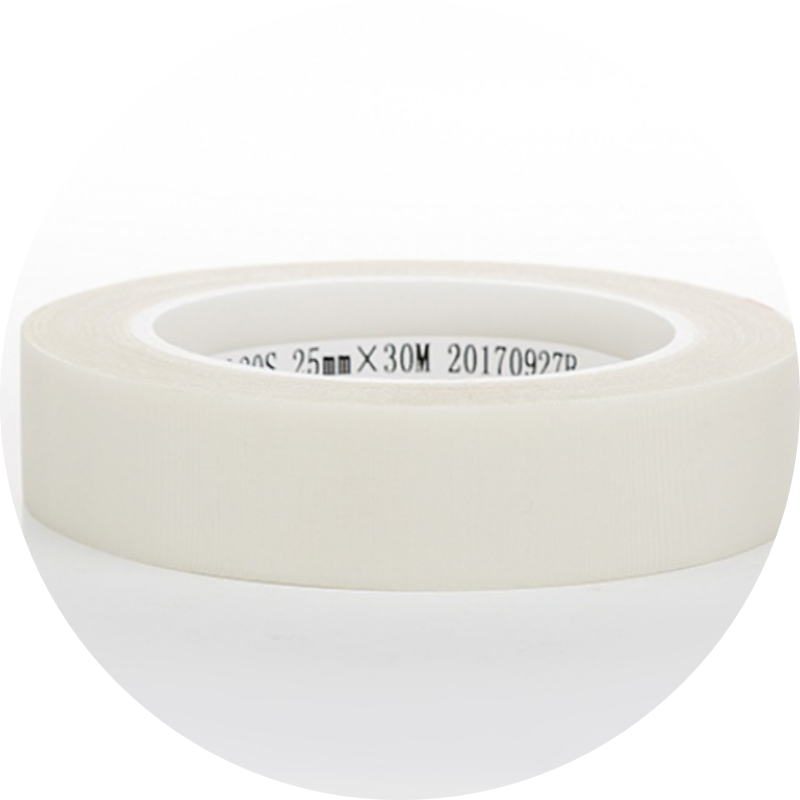
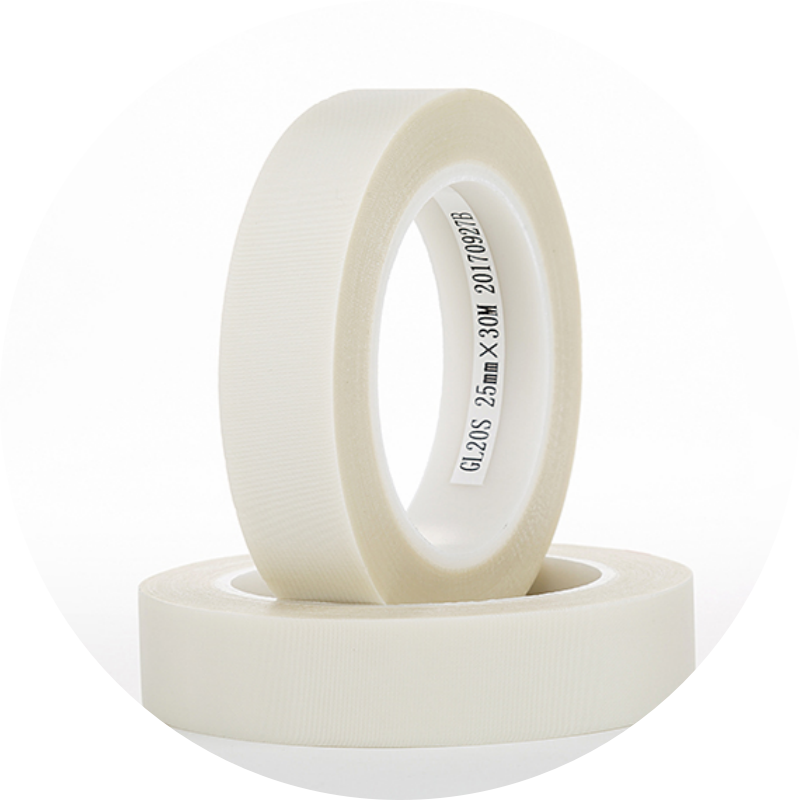
High-Temp Fiberglass Cloth Tape Thermal Insulation Woven fiberglass fabric, highly resilient. Insulates and contains heat. Wrapping exhaust headers, turbo downpipes, and catalytic converters to lower engine bay ambient temperature.
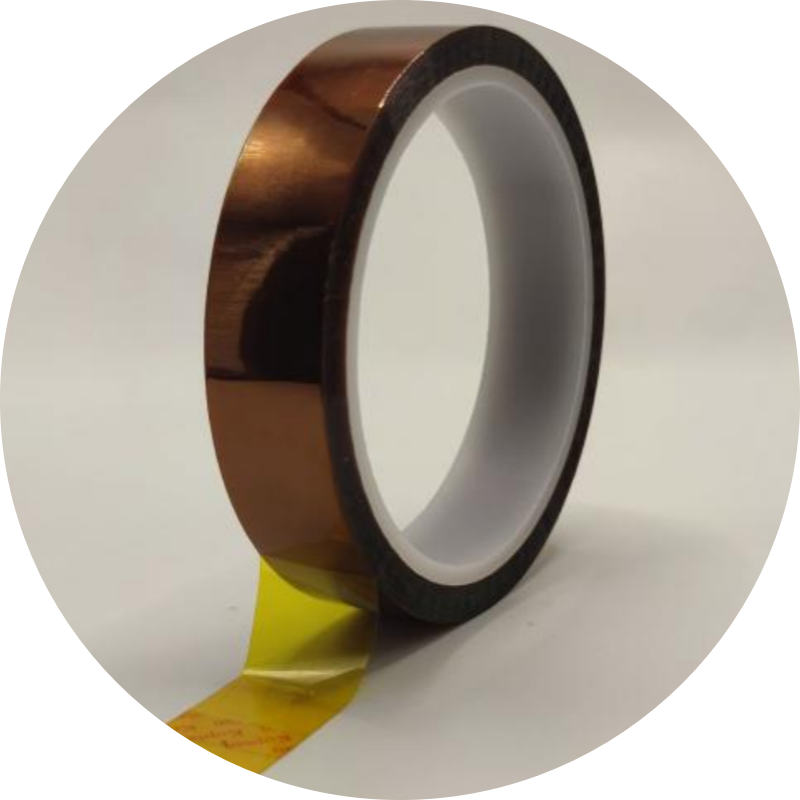
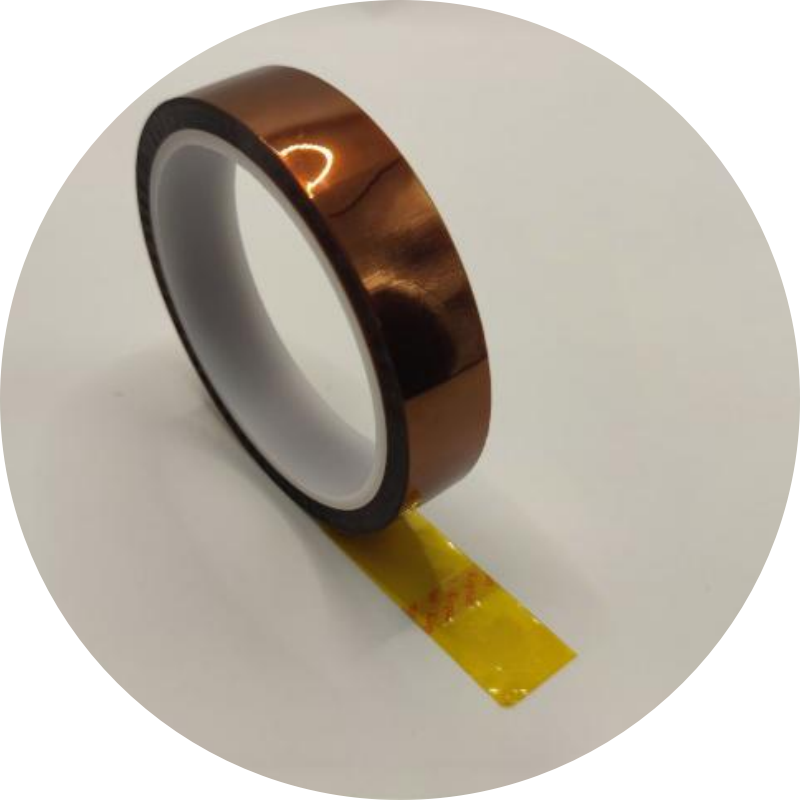
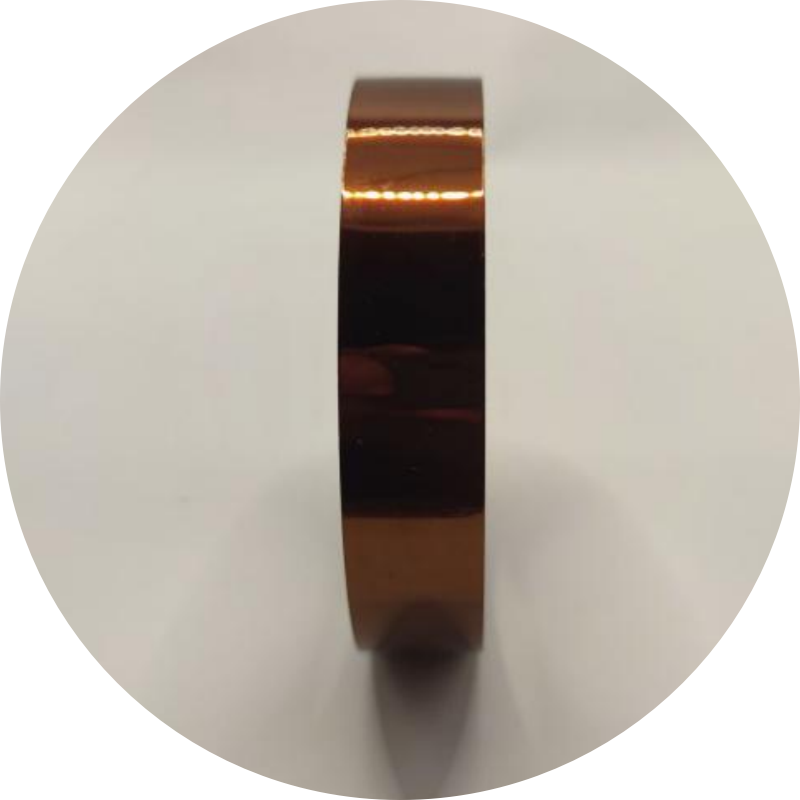
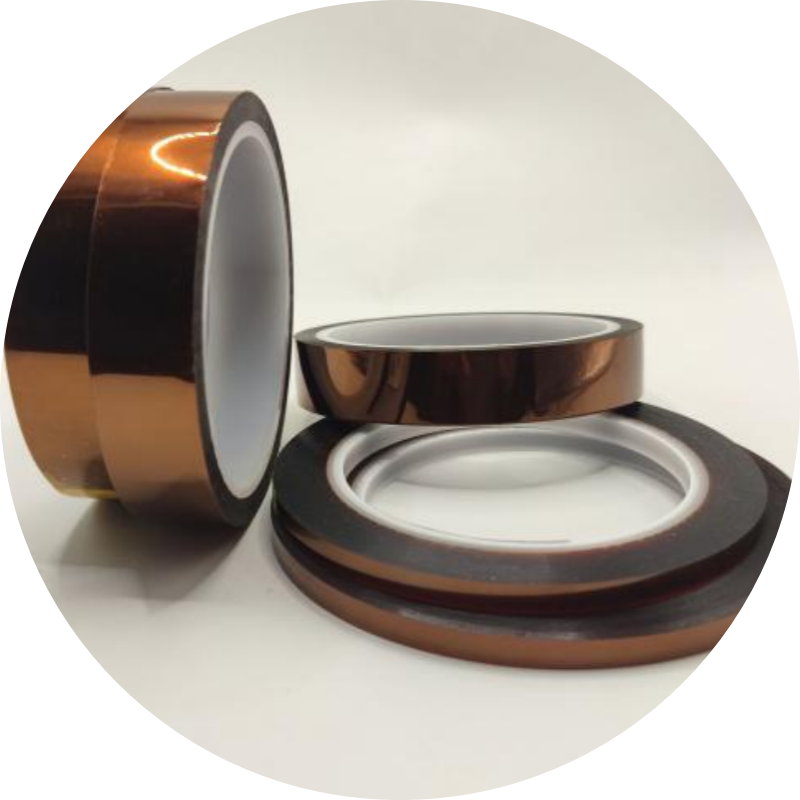
Polyimide Tape (Kapton) Electrical Protection Thin polymer film with high dielectric strength. Insulates electricity at high temperatures. Securing and insulating sensitive electronics, sensors, and wiring near hot manifolds.
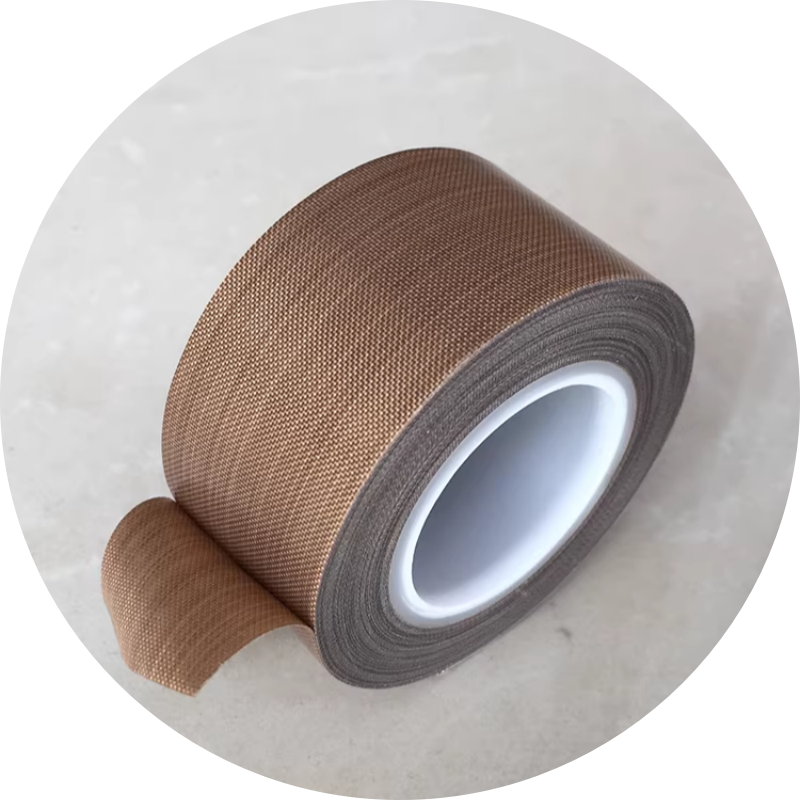
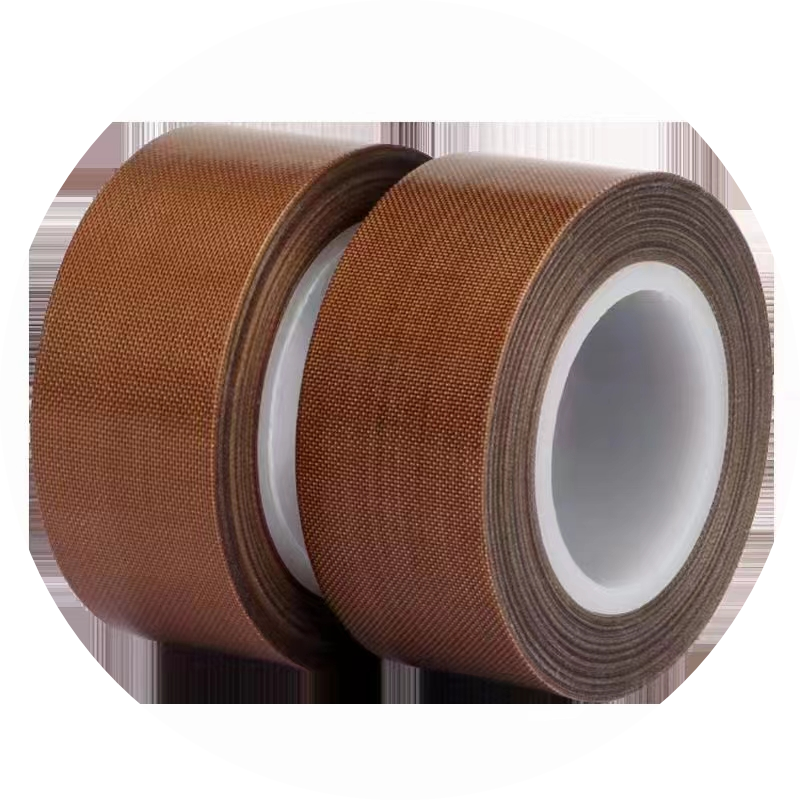
Teflon Tape (PTFE) Sealing and Chemical Resistance Non-stick, extremely chemical-resistant polymer. Seals threads and resists friction. Sealing threads on fuel/oil lines and wrapping wire bundles for protection against caustic fluids.
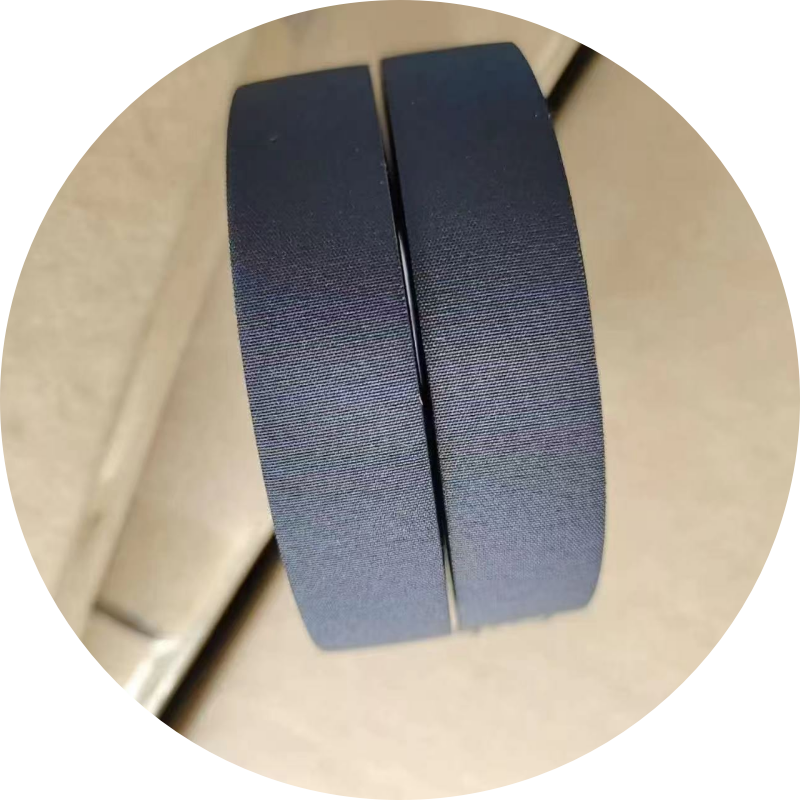
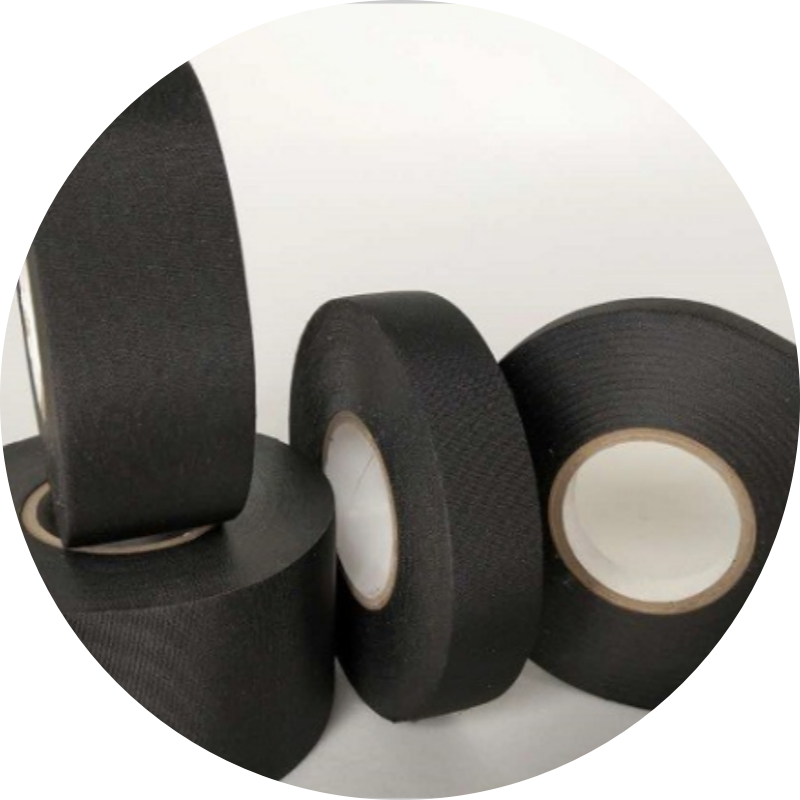
Polyester Fabric Tape Harness Protection & Bundling Durable woven or fleece material, often used with a rubber adhesive. Abrasion-resistant. Wrapping main wiring harnesses to prevent chafing, dampen noise, and provide protection in moderate heat zones.

Aluminum Foil Tape

This is a radiant heat shield created with a highly reflective metallic surface and a high-temperature adhesive. Its structure is optimized for deflection rather than insulation.

  • Primary Function: To tightly reflect radiant heat away from sensitive components, such as wiring, air intakes, and plastic fluid reservoirs.
  • Key Advantage: lt deflects up to 95% of radiant energy, protecting parts from heat-related damage and maintaining stable, cooler operating temperatures for air and fluids. lt isalso lightweight and easy to conform.
  • Typical Placement: Applied directly to surfaces that need protection, including firewalls, air intake tubes, and fuel/brake lines, especially those near the exhaust system.

Polyimide Tape (Kapton)

This is a premium film designed for high-temperature electrical work, created from a polymer film with exceptional thermal and dielectric stability.

  • Primary Function: To provide superior electrical insulation for sensitive electronics, protecting them from high heat while maintaining dielectric strength.
  • Key Advantage: Withstands extremely high temperatures (often up to 260°C or more) andmaintains integrity when exposed to chemicals, making it vital for sensors and wiringharnesses in the hottest zones.
  • Typical Placement: Securing, labeling, and insulating sensors, fuel injector wiring, and other critical electronics that run close to the engine block or manifold.

Teflon Tape (PTFE)

This is an inert, non-stick polymer film renowned for its chemical resistance and sealing capabilities, often used as a single wrap.

  • Primary Function: To seal threaded connections on fluid lines and provide a chemically resistant, low-friction barrier for wire bundles.
  • Key Advantage: It is virtually unaffected by fuels, oils, and automotive chemicals, preventing leaks when used on pipe threads. Its non-stick nature protects wire insulation from chafing and abrasion.
  • Typical Placement: Wrapped onto the threads of fittings for oil, fuel, or air lines, and loosely wrapped around wire bundles or hoses where friction is a concern.

High-Temp Fiberglass Cloth Tape

This is the classic, versatile, and cost-effective insulator in the thermal wrapping category. It is made from woven E-glass fibers, providing robust containment properties.

  • Primary Function: To insulate and contain the heat generated by the exhaust system, significantly reducing the heat radiated into the engine bay.
  • Key Advantage: It is highly flexible and easy to install, conforming to complex curves. It offers reliable thermal protection for most street and moderate performance applications, reducing the risk of component degradation.
  • Typical Placement: Wrapped directly onto exhaust headers and piping in non-critical or moderate-heat applications where temperature limits are below those requiring basalt.

Polyester Fabric Tape

This is a versatile tape made from woven or fleece polyester fabric, engineered primarily for protection and bundling.

  • Primary Function: To bundle and protect wiring harnesses, preventing abrasion and noise in the engine bay and cabin.
  • Key Advantage: The fabric provides a high degree of abrasion resistance and a soft cushion that dampens vibrations and squeaks, giving wiring a professional, factory finish. It is highly flexible for easy wrapping.
  • Typical Placement: Used extensively for wrapping and securing main wiring harnesses, cable bundles, and flexible conduit in areas with moderate temperature exposure.

Safety Showdown: Engine Bay Loom Tape vs.Ordinary Electrical Tape

Heat resistant tape for a car engine can mean two things.  For wiring in the engine bay, you need a specific loom tape. Using standard electricaltape is a common mistake that leads to failure.

High-Temp Engine Loom Tape

  • Stable Heat Resistance: Made of PET fleece, cloth, or high-temp PVC. Ratedfor ambient engine bay temps (e.g., -40°C to 125°C or150°C).

  • Superior Abrasion Resistance: This is its main job. lt’s designed to protect wireharnesses from rubbing against the chassis or engine,preventing short circuits.

  • Stable, Non-Gooey Adhesive: Uses a high-temp acrylic adhesive that stays stableand doesn’t turn into a sticky mess. lt stays on andstays clean.

  • Fluid & Vibration Resistant: Resists oil, fuel, and washer fluid. Fleece tapes alsoprovide vibration damping, protecting solder jointsand stopping rattles.

Ordinary Tape (e.g., Duct, Electrical)

  • Poor Heat Resistance: Standard PvC tape is often rated to only 80°C (176°F).An engine bay easily exceeds this, causing the tape tobecome brittle or melt.

  • Gooey Adhesive Failure: This is the #1 failure. The adhesive liquefies from theheat, creating a sticky, gooey mess that slides off,unwraps, and attracts dirt.

  • No Abrasion or Fluid Resistance: Offers no real protection from vibration. lt will crackand peel, and oil or fuel will dissolve the adhesive,causing it to fall off.

  • Short-Term Fix, Long-Term Hazard: When the tape fails, it leaves wires exposed. This canlead to a short-circuit, component failure, or an enginebay fire.

Quality Standards & Certifications

Jiujiang Leadcomp Co., Ltd. is committed to delivering the highest quality products, a promise backed by strict internal standards and authoritative third-party certifications.

Appearance Standard

Tape surface is smooth and free of defects like bubbles, scratches, or impurities. Edges are clean with no adhesive bleed.

Performance Consistency

Each batch is tested for key performance indicators like peel strength to ensure stable and reliable performance.

Dimensional Tolerance

Strict control over width and thickness tolerances ensures high consistency for automated production lines.

Third-Party Inspection & Certification

ISO 9001:2015

Quality Management System certification, demonstrating our ability to consistently produce high-quality products.

RoHS Directive

Products are free of hazardous substances, complying with EU environmental standards for user and environmental safety.

REACH Regulation

Compliant with EU chemical regulations, ensuring a high level of protection for human health and the environment.