
heat tape for exhaust pipes
The term “heat tape” in the context of exhausts refers to specialized materials designed either to insulate (contain heat) or reflect (send heat away). The right choice depends on where the heat is and where you need it to go.
The three main types are:
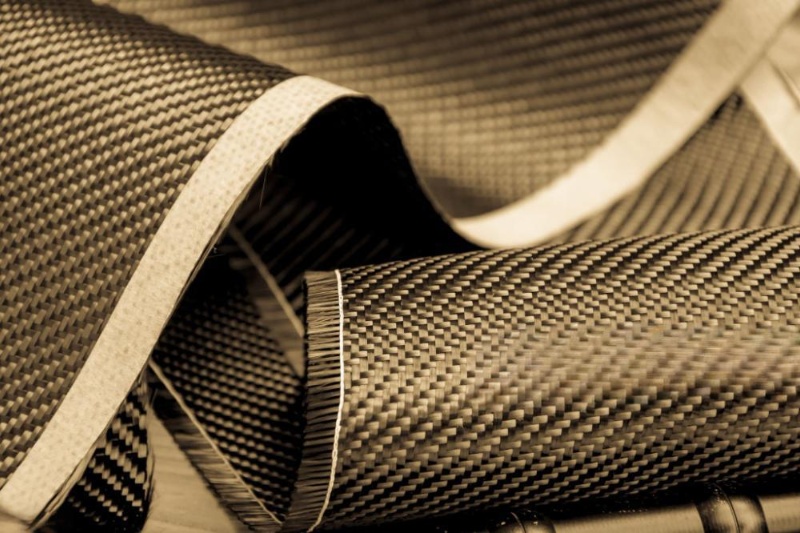
- Basalt Tape (Lava Wrap)
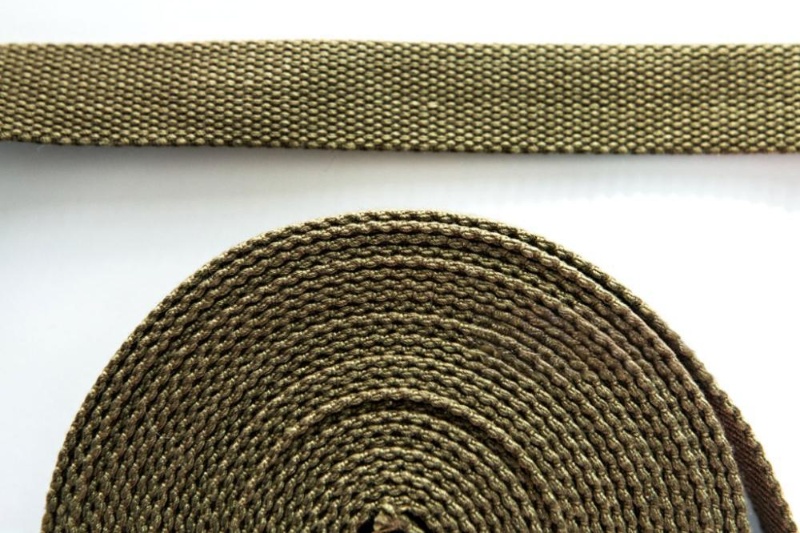
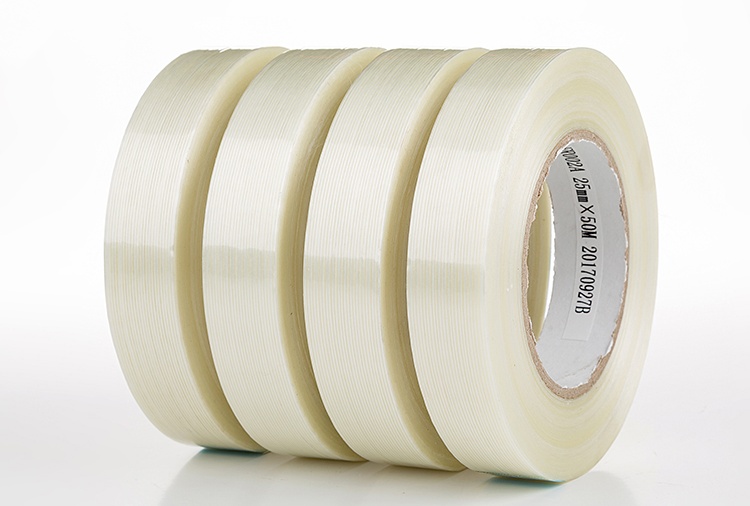
- Fiberglass Cloth High-Temperature Tape
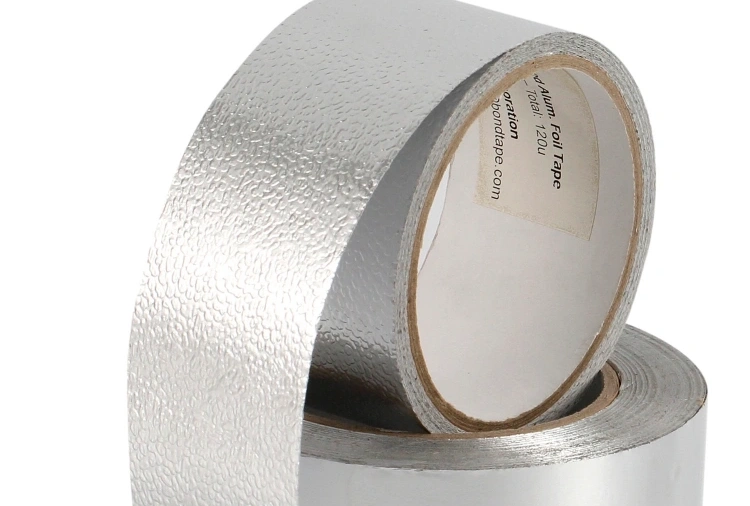
- Aluminum Foil Tape

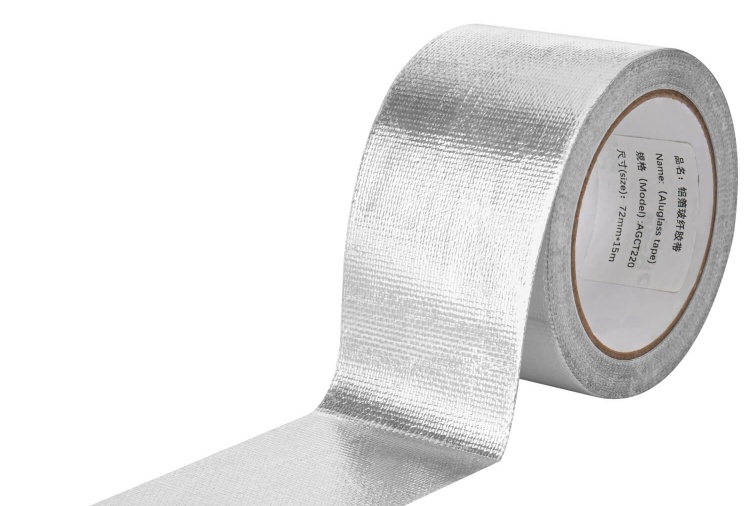
Basalt Tape (Lava Wrap)
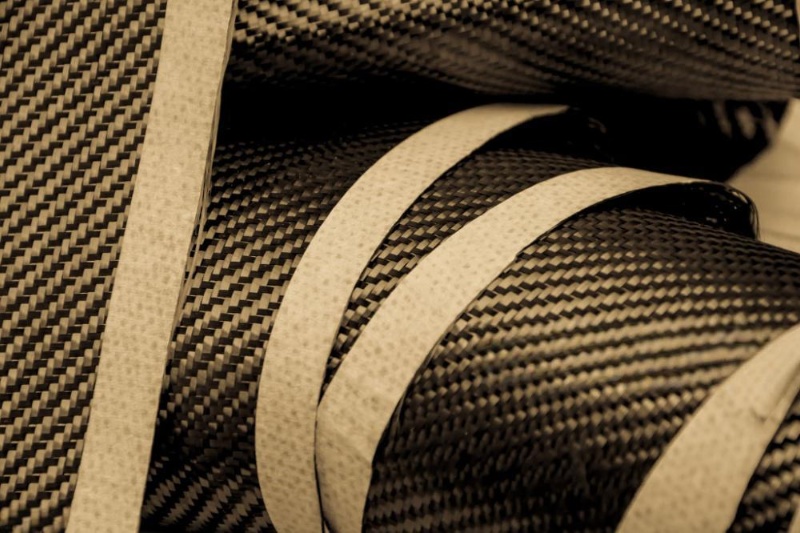
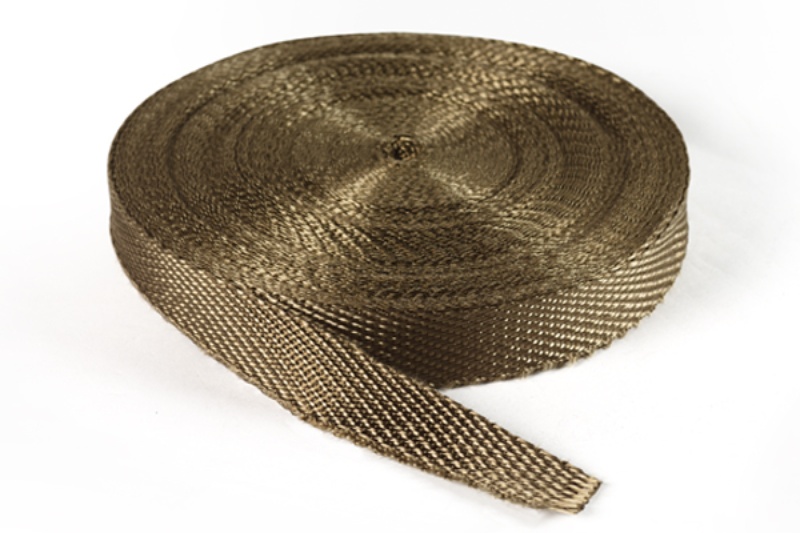
This is the premium insulator in the exhaust wrap category. Basalt fiber is created from extruded volcanic rock, giving it exceptional thermal and physical properties.
- Primary Function: To tightly insulate and contain heat within the exhaust manifold and piping.
- Key Advantage: It offers the highest continuous temperature rating and superior durability against abrasion, vibration, oil, and chemical spills. Containing the heat results in faster-moving, hotter exhaust gases, which enhances scavenging and increases horsepower.
- Typical Placement: Wrapped directly onto exhaust headers, downpipes, and mid-pipes, especially on turbocharged or high-performance engines.
Fiberglass Cloth High-Temperature Tape


This is the most common and cost-effective option for exhaust heat management. It is a traditional woven textile, usually available in white.
- Primary Function: To insulate the exhaust system, significantly reducing the amount of heat radiated into the engine bay.
- Key Advantage: It is highly flexible and easy to install, conforming well to complex curves and bends. It provides good, reliable thermal protection for most street and moderate-performance applications, keeping nearby plastic and rubber components safer.
- Typical Placement: Wrapped directly onto exhaust headers and pipes where the thermal requirements are less extreme than race conditions.
Aluminum Foil Tape
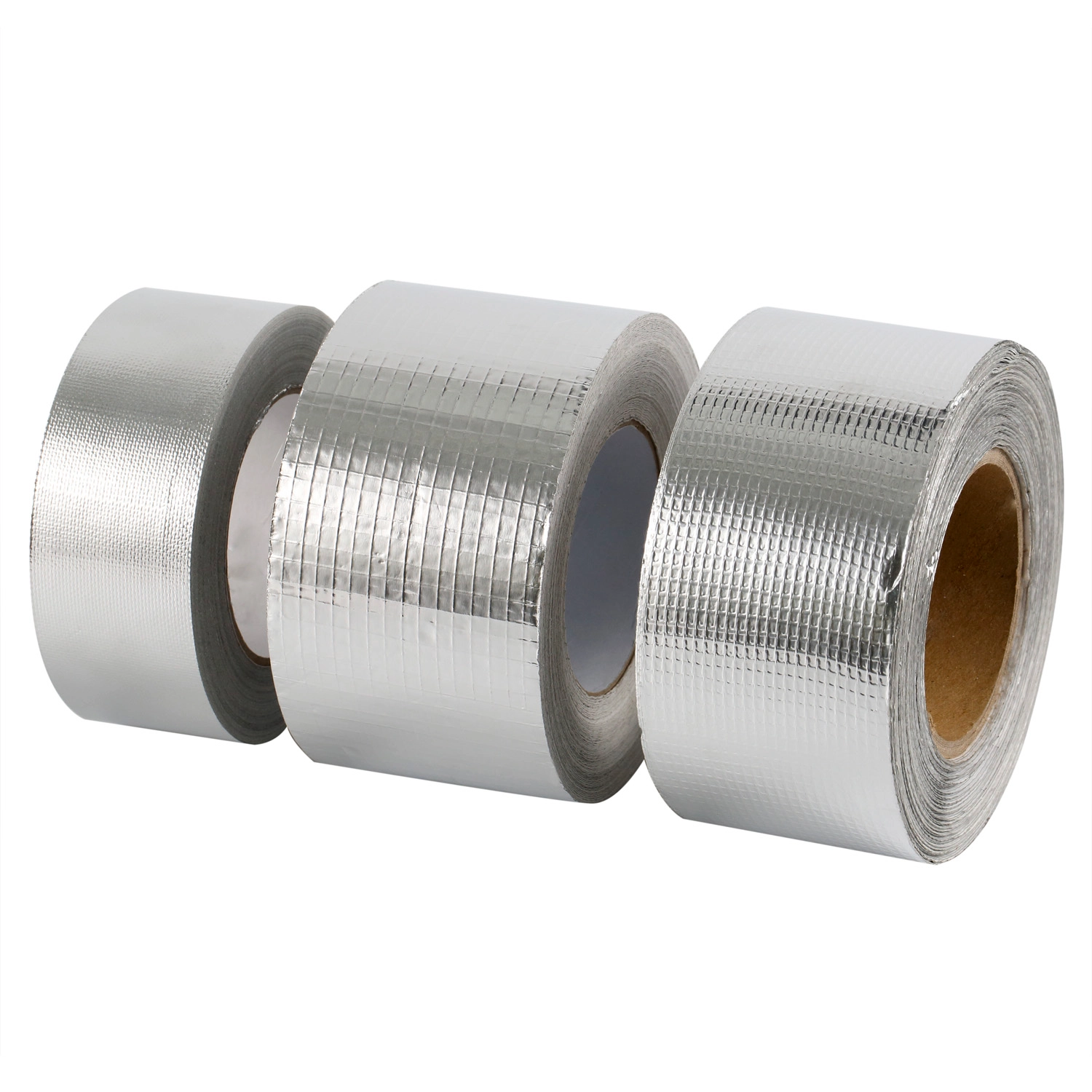
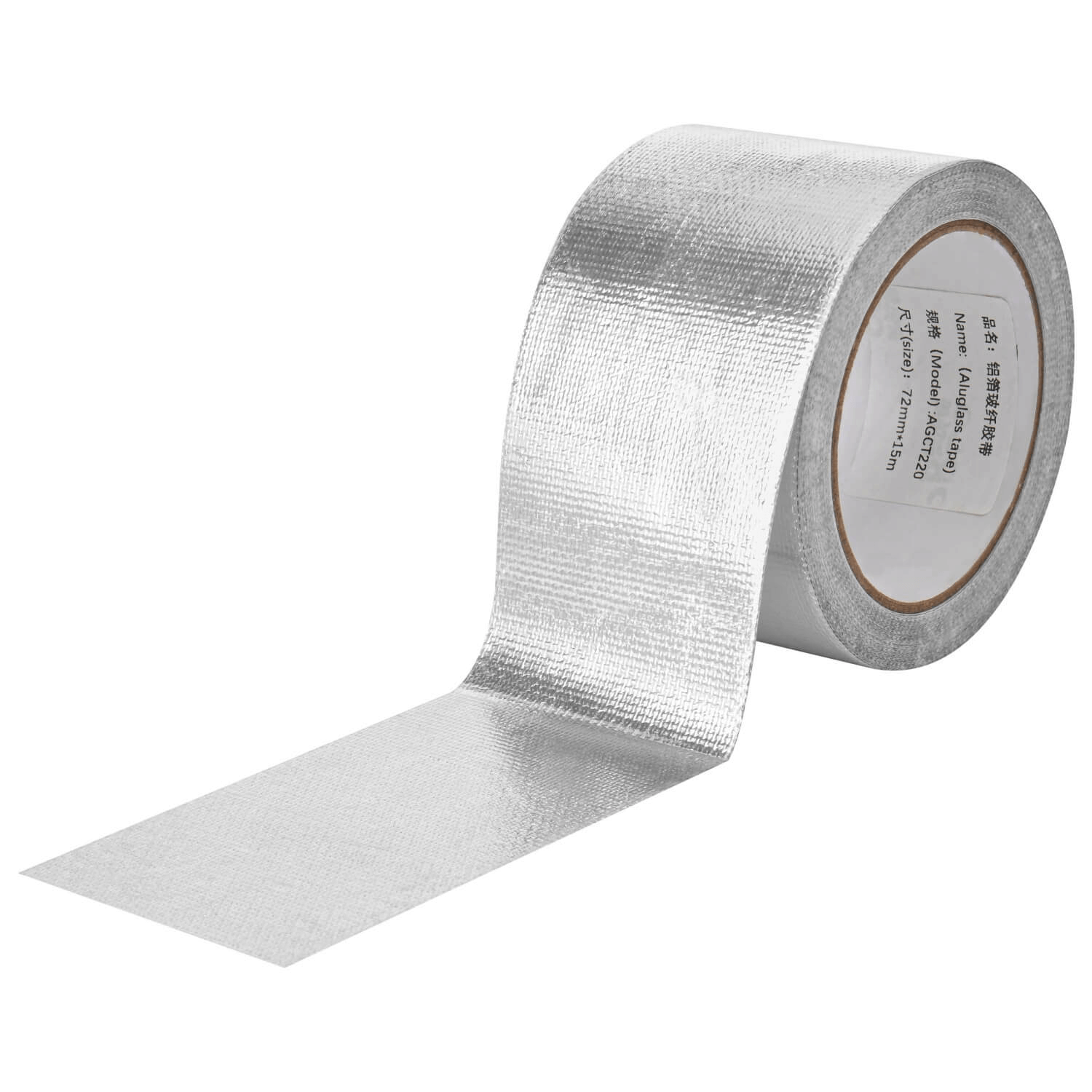
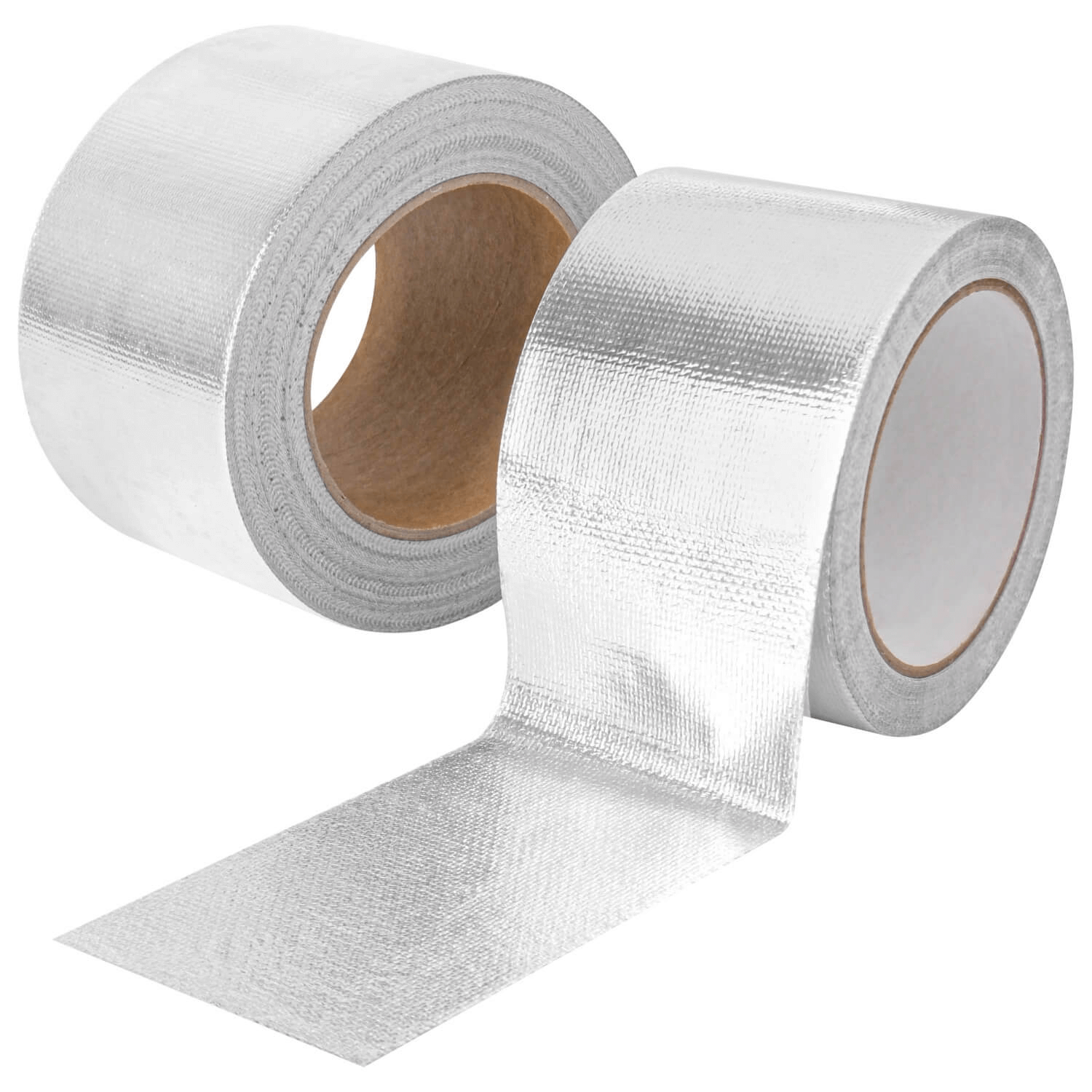
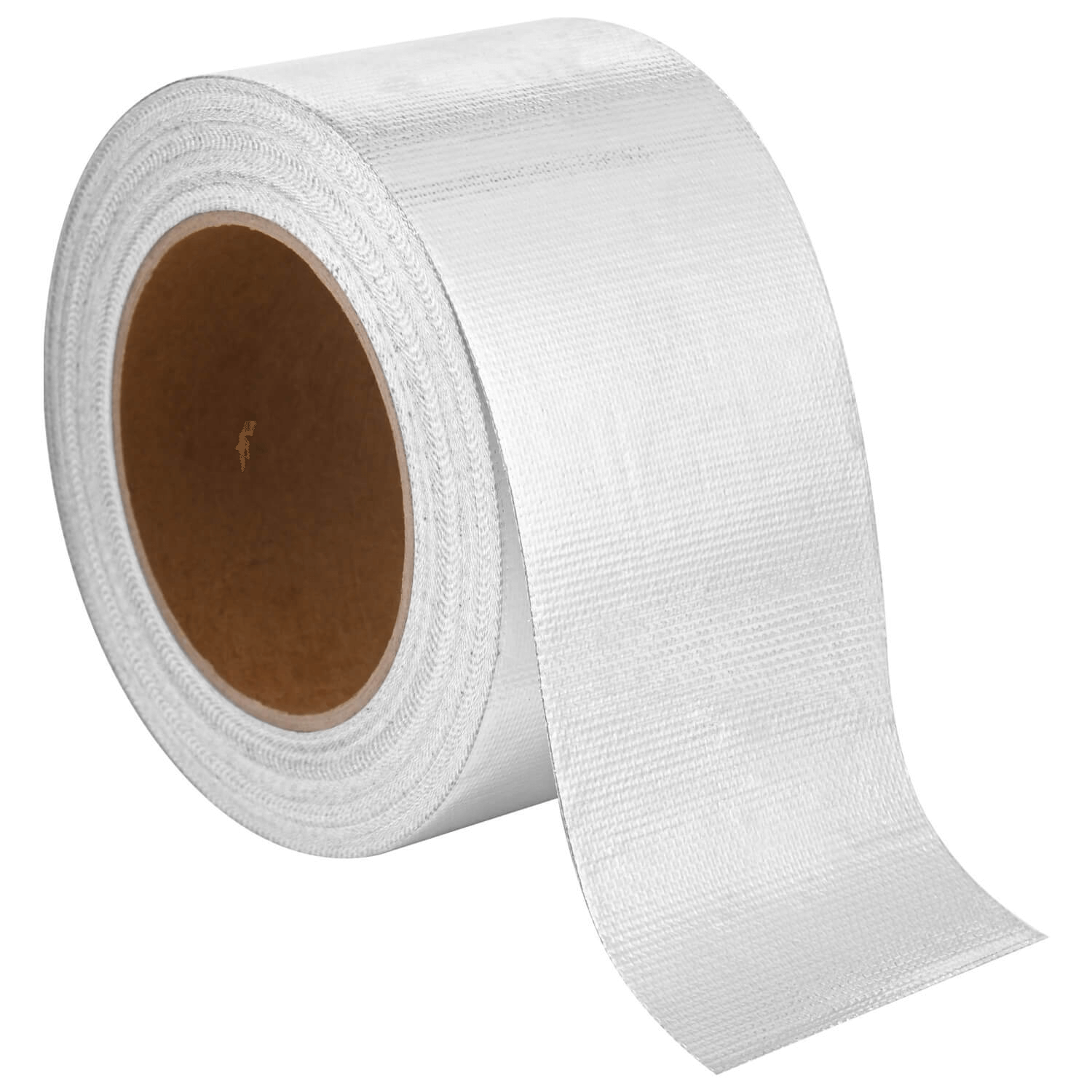
Unlike the wraps above, this tape is not primarily designed for full pipe insulation but for direct heat reflection. It features a thin metallic backing, often with a high-temperature silicone adhesive.
- Primary Function: To reflect intense radiant heat away from nearby components. It is a highly effective heat shield.
- Key Advantage: It excels at deflecting heat and is very lightweight. It is the best choice for protecting sensitive, small surfaces that are positioned very close to a heat source.
- Typical Placement: Applied directly to surfaces that need protection, such as firewalls, air intake tubes, fluid reservoirs, or wiring harnesses that run close to the exhaust system. It is generally not used as a primary wrap on the exhaust pipes themselves.
Safety Showdown: Exhaust Wrap vs. Ordinary Tape
While “high-temperature tape” exists for electronics (like Polyimide), the product for an automotive exhaust is completely different. Using the wrong one isn’t just a mistake-it’s an extreme fire hazard. Here’s the difference.
Quality Standards & Certifications
Jiujiang Leadcomp Co., Ltd. is committed to delivering the highest quality products, a promise backed by strict internal standards and authoritative third-party certifications.