Kapton Tape Explained: Composition, Applications, and Temperature Resistance

Kapton tape is a high-performance adhesive tape widely recognized for its exceptional thermal stability, electrical insulation, and chemical resistance. It is commonly used in electronics, industrial manufacturing, and other demanding environments where conventional adhesive tapes fail. To better understand why Kapton tape performs so reliably, it is important to examine its material composition, typical uses, and behavior under extreme temperatures.

01. What is Kapton Tape Made Of?

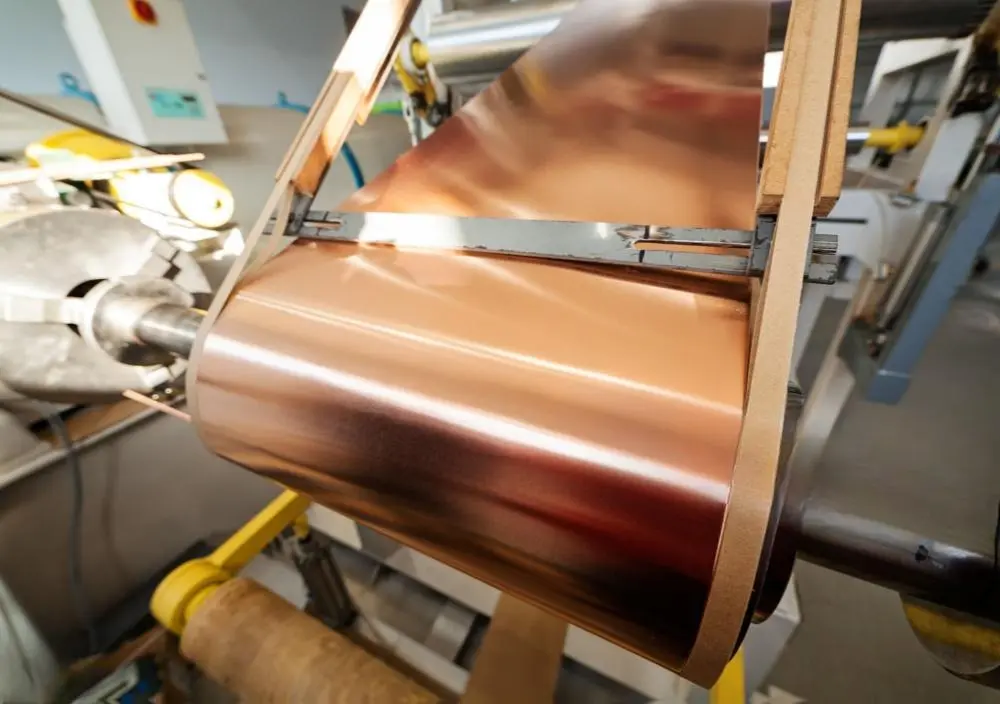
Kapton tape is made of a polyimide film backing combined with a high-temperature silicone adhesive.
1. The Backing: Polyimide Film

The core material, polyimide film, is an advanced polymer known for its ability to remain stable under extreme heat and harsh environmental conditions. Unlike many plastic films, polyimide does not soften or deform easily when exposed to high temperatures. It also provides excellent mechanical strength, flexibility, and electrical insulation.

2. The Adhesive: Silicone

The adhesive layer is usually a silicone-based adhesive, specifically designed for high-temperature applications. This adhesive allows Kapton tape to adhere securely to a wide range of surfaces while still being removable without leaving residue, even after exposure to heat.

3. Key material characteristics of Kapton tape

  • Polyimide film with outstanding thermal and mechanical stability
  • Silicone adhesive suitable for high-temperature environments
  • Excellent electrical insulation properties
  • Strong resistance to chemicals, oils, and solvents
Kapton Polyimide Tape
Kapton Polyimide Tape2
Kapton Polyimide Tape3
Kapton Polyimide Tape4

02. What is Kapton Tape Used For?

electronics and PCB manufacturing industry

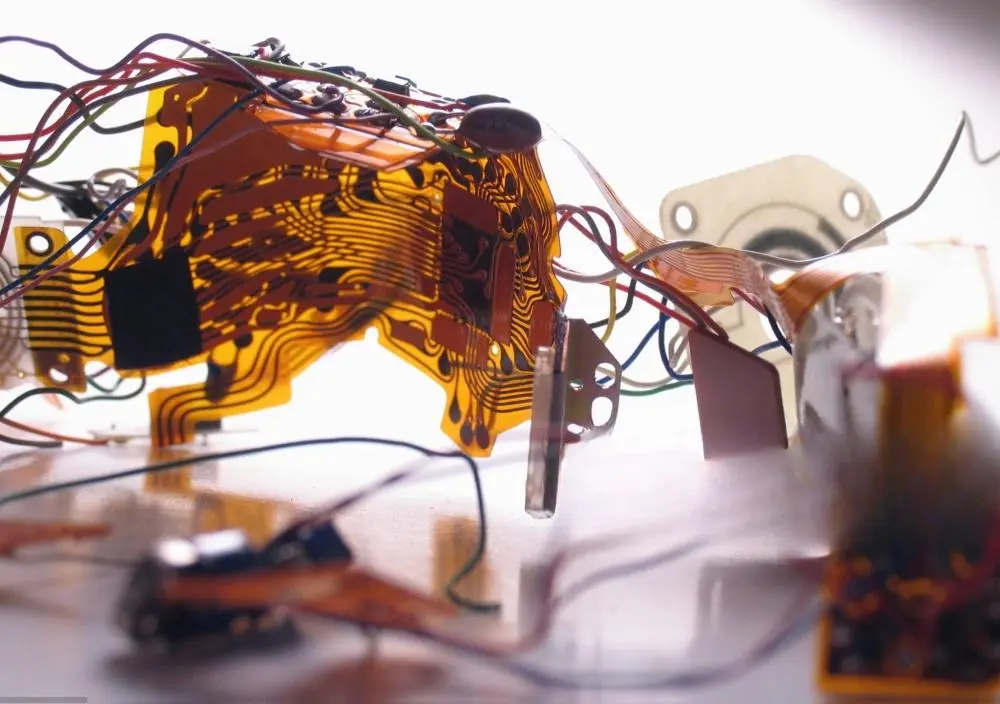
Kapton tape is commonly used to mask components during wave soldering and reflow soldering processes. It protects delicate areas such as gold fingers and connectors from heat and solder contamination while also serving as an electrical insulator.

3D PRINTING

Kapton tape is often applied to heated print beds in high-temperature 3D printing setups. It significantly improves bed adhesion for heat-sensitive materials like ABS and nylon, effectively helping reduce warping issues and ensuring a smoother, more consistent first layer that enhances overall print success.

industrial and manufacturing applications

  • High-temperature masking in powder coating and painting
  • Electrical insulation for motors, transformers, and coils
  • Battery insulation, especially in lithium-ion battery assembly
  • Wire harness wrapping and protection
  • Aerospace and automotive component insulation

03. At What Temperature Does it Melt?

CRITICAL DISTINCTION:

The polyimide film used in Kapton tape does not have a true melting point. Instead of melting and flowing, it remains dimensionally stable at very high temperatures and will only begin to thermally decompose when exposed to temperatures far beyond normal operating conditions.

At extremely high temperatures, the silicone adhesive may degrade before the polyimide film, but this still occurs well above the limits of standard adhesive tapes. Rather than melting, Kapton tape maintains its structure until thermal degradation eventually occurs.

This exceptional temperature resistance is one of the primary reasons Kapton tape is trusted in high-heat and precision applications.

CRITICAL DISTINCTION:

The polyimide film used in Kapton tape does not have a true melting point. Instead of melting and flowing, it remains dimensionally stable at very high temperatures and will only begin to thermally decompose when exposed to temperatures far beyond normal operating conditions.

At extremely high temperatures, the silicone adhesive may degrade before the polyimide film, but this still occurs well above the limits of standard adhesive tapes. Rather than melting, Kapton tape maintains its structure until thermal degradation eventually occurs.

This exceptional temperature resistance is one of the primary reasons Kapton tape is trusted in high-heat and precision applications.

It’s the max temp the product can work stably long-term—here it’s 260°C (500°F).

It’s the high temp the product can tolerate briefly (no irreversible damage)—it’s 400°C (752°F).

It’s the temp where the product starts chemical decomposition—here it’s ~520°C (968°F).

Material Integrity vs. Heat
ANALYSIS: Standard vinyl tape fails (melts) before water even boils. Polyester (PET) survives standard electronics usage but fails at solder temperatures. Kapton maintains integrity well beyond the failure points of both.

Polyimide High Temperature Adhesive Tape for Masking, Soldering and Electrical Work

Kapton tape is a specialized high-temperature adhesive tape designed for demanding environments. It is made from polyimide film with a silicone adhesive, used extensively in electronics, 3D printing, and industrial manufacturing, and capable of withstanding extreme heat without melting. Understanding what Kapton tape is made of, what it is used for, and how it behaves at high temperatures helps explain why it remains a preferred solution for engineers and manufacturers worldwide.